

|
SI-400 Infrared Temperature Sensor
Collect
PRODUCT DESCRIPTION
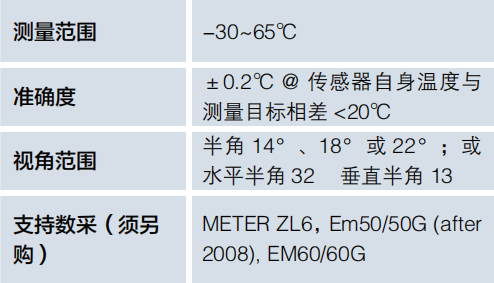
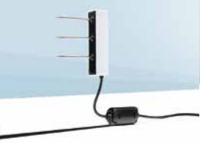
The SI-400 series infrared temperature sensor calculates the temperature by monitoring the energy of infrared radiation from the surface of the object within the viewing angle range. The infrared temperature sensor does not touch the surface of the object, so as to avoid affecting the thermal balance of the surface of the object due to contact. Main feature: Carefully calibrated and highly accurate: When the temperature difference between the measurement target and the sensor is within 20°C, the accuracy is ±0.2°C. This data is measured after the sensor is calibrated in the range of -30~65°C. Continuous measurement without contact: The sensor continuously measures the temperature of the entire area within the field of view, rather than the temperature of a single blade at a time. Research grade for plant science research: SI-400 series infrared temperature sensor is a scientific research-grade sensor for canopy temperature measurement. 4 viewing angles are available: Sensor models can be selected according to your monitoring needs, including three round hole sensors with half-angles of 14°, 18°, and 22°, and a slit-type sensor with a horizontal half-angle of 32° and a vertical half-angle of 13°. Temperature sensor with real-time correction: The temperature of the target area and the temperature of the sensor itself are measured at the same time in order to correct the sensitivity of the detector to temperature. Lightweight, durable and waterproof: Tight germanium window filtering increases sensor durability without sacrificing accuracy. The waterproof aluminum housing keeps the sensor working in harsh weather conditions. Remote download data and mobile device access: Compatible with Decagon's Em50 series of loggers, easy to operate - no programming, low power consumption - only 5 AA batteries are required to run the sensor and logger. With Em50G data acquisition, you can use your mobile device or computer to connect to the Internet and obtain data anytime, anywhere. Application areas: Stomatal conductance studies: using real-time monitored water utilization data, based on biophysical models Backward stomatal conductance Plant water stress Evapotranspiration studies: Estimating stomatal conductance using temperature rather than crop coefficients Calculate saturation vapor pressure deficit (VPD): use actual canopy temperature instead of air temperature, reducing error Technical indicators:
RELATED PRODUCTS
|